
Tell us about the property and the problem. We’ll follow up to schedule a site visit.
Commercial Property Services
Commercial Painting
Interior and exterior work scheduled around your tenants and your operating hours.
Prep-first scopes written line by line, so you can actually compare what you are buying. Commercial property across the Midwest since 1996.
Why bids differ
The paint is not the job
Two painting bids can describe the same building and land far apart. The difference is almost never the paint — it is how much preparation is in the scope.
Material is a small share of a commercial paint job. Labor is the bulk of it, and prep is most of the labor. A bid that is cheap because it skipped washing, scraping, and priming is not a better price. It is a shorter lifespan you pay for again in three years.
Commercial painting is also a scheduling problem as much as a trade. The work itself is well understood; doing it without closing a storefront, disrupting a clinic, or walking through an active warehouse is the part that takes planning.
We schedule around your hours — nights, early mornings, weekends, or phased by area — and we write the scope line by line so you can see exactly what is included before you approve it.
Being a maintenance contractor rather than a painting-only crew matters here. Rotted trim, failed sealant, rusted metal, cracked masonry, and damaged drywall get repaired before coating instead of painted over and left for the next cycle.
How to read a painting bid
What separates a scope that holds up
Use this on any contractor, including us. If a bid cannot answer the left column, it is not comparable to one that can.
- Names why the existing coating is failing
- States the cleaning method and what it removes
- Defines how much failed paint comes off, and to what standard
- Lists repairs and caulking separately from painting
- Specifies primer by product, and spot versus full
- Names the actual finish product line, not just a brand
- States coats, and whether primer counts as one
- Matches the system to each substrate on the building
- Includes a plan for occupants, access, and parking
- A one-line scope: “prep and paint exterior”
- “Scrape as needed” with no standard defined
- Primer vague or not mentioned at all
- No product line named, leaving room to substitute
- No explanation of why the last coating failed
- Same system quoted for masonry, metal, and wood
- A schedule with no washing, drying, or cure time
- Nothing about tenants, access, or disruption
- A warranty with exclusions broad enough to cover anything
What we do
Commercial painting services
Interior, exterior, and the repair work that should happen before either one.
Call 309-796-2222- Tenant space repaints and turnovers
- Common areas, corridors, and lobbies
- Offices, conference, and break rooms
- Restrooms and high-moisture areas
- Ceilings, soffits, and exposed structure
- Trim, doors, and frames
- Stairwells and back-of-house
- Accent walls and branded color
- Full building exteriors and elevations
- Masonry, block, stucco, and EIFS
- Metal buildings, panels, and siding
- Storefronts, entrances, and canopies
- Railings, stairs, and structural steel
- Trim, soffit, fascia, and wood
- Dock walls and service areas
- Repaint after masonry or siding repair
- Epoxy and resinous floor coatings
- Warehouse and shop floor systems
- Direct-to-metal and rust-inhibitive coatings
- Elastomeric and masonry coatings
- Safety yellow on bollards, curbs, and dock edges
- Anti-graffiti and washable coatings
- High-durability finishes for traffic areas
- Interior floor and safety marking
- Pressure washing and surface cleaning
- Scraping, sanding, and feathering edges
- Rust removal and metal prep
- Masonry patching and crack repair
- Drywall repair and skim coating
- Rotted trim and wood replacement
- Caulking, sealants, and joint repair
- Priming matched to each substrate
Match the system to the surface
Different substrates, different systems
Most commercial buildings have three or four of these on one elevation. Quoting one system for all of them is how coatings fail early.
Porous and alkaline, and they hold moisture. Needs the right primer and a breathable system, or the coating traps water and blisters off in sheets.
Rust has to come off, not get painted over. Galvanized surfaces need their own primer — ordinary systems do not bond to them and peel in sheets.
Where exterior rot hides. Soft or failing wood gets replaced before coating, because paint over rot just conceals it until the repair gets larger.
Patch, skim, and prime so repairs do not flash through the finish. Sheen choice matters more than color in corridors and high-touch areas.
Chalk is broken-down binder. Coat over it and the new paint bonds to powder rather than the wall. It has to be washed off and the surface properly primed.
The most prep-dependent surface there is. Concrete has to be profiled and genuinely dry, or the coating lifts under the first forklift that turns on it.
Working around you
Painting an occupied building
The trade is straightforward. Doing it without costing you a day of business is the part worth hiring for.
Overnight and early morning so the doors open on time. Entrances and storefronts phased so no customer path is ever closed.
Low-odor systems, contained work areas, and scheduling around patient and client hours. Corridors kept passable throughout.
Phased around shifts and dock traffic. Floor coatings sequenced so you never lose the whole floor at once.
Notice to tenants, shared corridors kept open, and work windows agreed before anyone shows up with a sprayer.
The cheapest and fastest time to paint a space is while it is empty. We work to your turn schedule so the suite shows well.
Midwest exterior work runs spring through fall, with shoulder seasons watched for overnight lows and dew point. Scope in winter, paint early.
When to repaint
Signs it is time
Coating is protection before it is appearance. Once it stops protecting, the substrate starts costing money.
Call 309-796-2222Run a hand down a sunny elevation. Powder means the binder has broken down and the coating is no longer protecting what is under it.
A bond or moisture failure. Worth diagnosing rather than recoating, because the same cause will take the next coat off too.
Staining at railings, frames, and panels means corrosion is active under the coating and the metal is losing section.
South and west walls go first. When one side no longer matches the others, the coating is near the end of its service life.
Painting an empty space is faster, cheaper, and far less disruptive than painting around a tenant who has already moved in.
Curb appeal drives tenant and customer perception more than almost anything else, and paint is the cheapest lever on it.
Why West Maintenance
Why property managers use us for painting
Cleaning, removal standard, repairs, primer, product line, and coats — written out, so you know what you are approving.
Rot, rust, masonry cracks, and failed sealant get fixed rather than painted over. That is what a maintenance contractor brings.
Nights, weekends, and phased by area so your tenants and customers never lose access.
Masonry, galvanized metal, wood, and drywall all get what they actually need instead of one product sprayed across the building.
Since 1996 here. We know which systems survive freeze-thaw and full sun on a west elevation, and which ones chalk in two years.
Single sites and multi-location portfolios on one account, one contact, and one consistent standard.
Our work
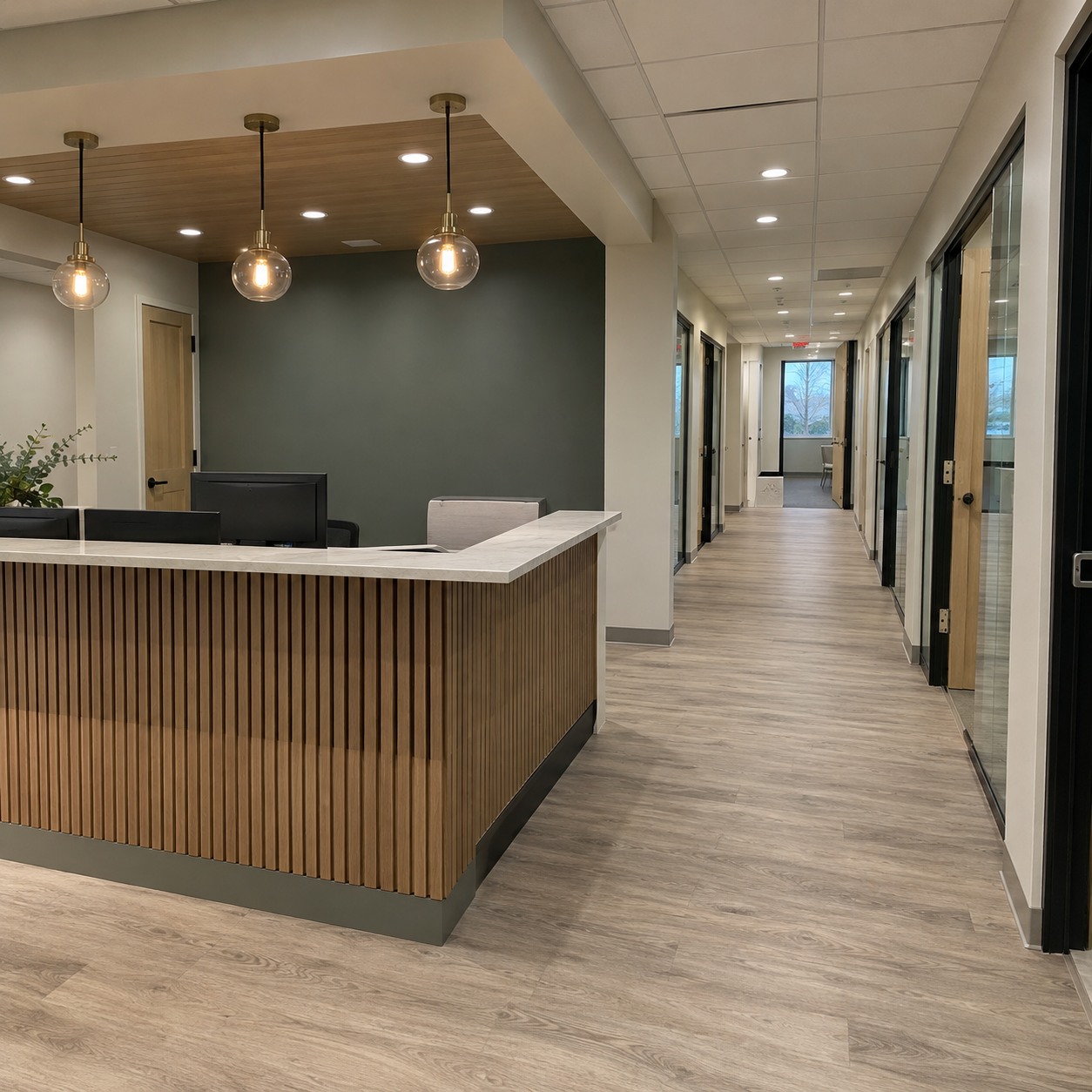
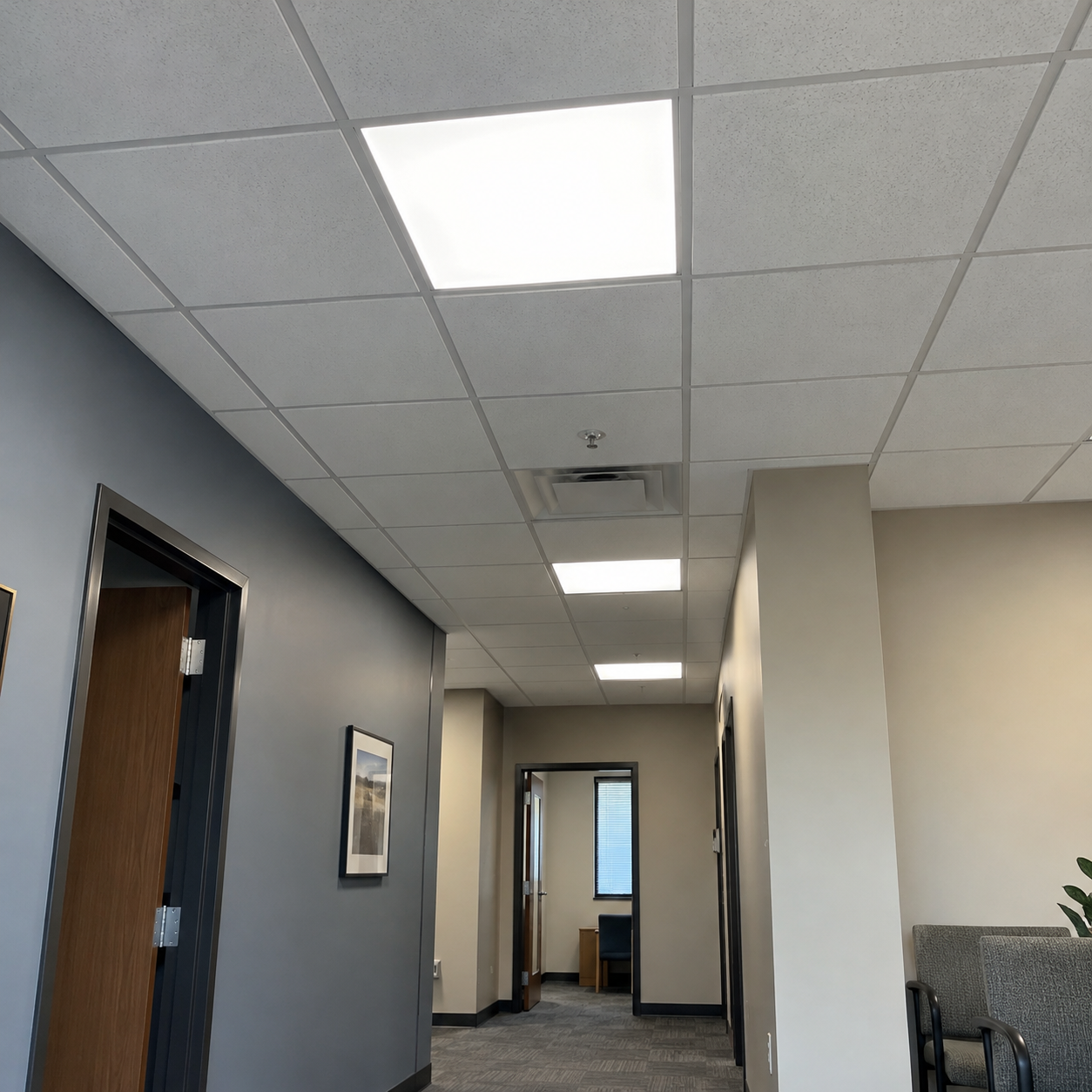
Interior finish work we have handled
Recent work from commercial properties we maintain across the Midwest.
Call 309-796-2222
How we work
Three steps from tired to finished
No contract required. Plenty of accounts start with one building.
Call 309-796-2222Not just the easy ones. We identify the substrates, find why the existing coating is failing, and note the repairs that need to happen first.
Prep method, removal standard, repairs, primer, product line, coats, and the schedule around your hours — priced item by item.
Work phased so you keep operating, then a walkthrough against the scope you approved rather than a general look around.
Common questions
Commercial painting FAQs
Not covered here? Call and ask — we would rather answer it on the phone than have you guess.
Call 309-796-2222Why do commercial painting bids vary so much?
Almost always prep. Two bids can describe the same building and differ by a wide margin because one includes washing, scraping to sound substrate, feathering edges, spot priming, and caulking, and the other says "prep and paint exterior."
Paint is a small share of the cost on most commercial jobs. Labor is the bulk of it, and prep is most of the labor. A bid that is cheap because it skipped prep is not a better price — it is a shorter lifespan you pay for again in three years.
What should a commercial painting scope actually specify?
Enough that you could hand it to two contractors and get comparable numbers. Specifically: how the surface gets cleaned, how much failed coating gets removed and to what standard, what repairs and caulking are included, which primer goes on which substrate and whether it is spot or full, the actual product line rather than just a manufacturer name, and how many finish coats.
"Two coats" by itself does not mean much — whether primer counts as one of them changes the job. We write scopes line by line so you can see what you are approving.
How often should a commercial building be repainted?
Commonly every five to ten years on the exterior, but exposure does more to set that than the calendar does. South and west elevations fade and chalk first. Metal, masonry, and wood all age differently. A surface that was prepped properly last time lasts markedly longer than one that was not.
Interiors are usually driven by use rather than weather — tenant turnover, common area wear, and corridors that take cart and traffic damage.
Can you paint without shutting down my business?
That is most of what we do. Nights, early mornings, weekends, or phased by area so a storefront, clinic, office, or warehouse keeps operating.
The scheduling is usually the harder half of a commercial paint job. We plan access routes, containment, ventilation, odor, and cure times around when you actually need the space.
How much does commercial painting cost?
It depends mostly on condition and access rather than square footage. A building that needs extensive scraping, masonry repair, and caulking before anyone opens a can costs very differently from one that needs a wash and two coats — and the two can look similar from the parking lot.
Access matters too. Work that needs lifts, swing stage, or night scheduling carries real cost. We walk the building, scope it item by item, and give you a firm number.
What paint do you use on commercial buildings?
Whatever the substrate and exposure call for. Masonry and stucco, previously coated metal, galvanized, wood, and drywall all want different systems, and putting the wrong product on a substrate is one of the more common causes of early failure we are called in to fix.
We name the actual product line in the scope rather than leaving room to substitute something cheaper after you have approved it.
Why is my exterior paint chalking or peeling?
Chalking is the binder breaking down under UV, and it leaves a powdery film. Painting over it without washing and priming properly means the new coat bonds to the powder rather than the wall, and it will fail early.
Peeling usually means moisture or a bond problem — water getting behind the coating from a failed sealant, a drainage issue, or a surface that was not clean and dry when it was coated. We identify which one you have before quoting, because the repair differs.
Do you do epoxy and warehouse floor coatings?
Yes — epoxy and resinous floor coatings for warehouse, shop, and back-of-house areas, plus safety striping and bollard refresh. Floor coatings are prep-dependent even more than walls are; the surface has to be profiled and genuinely dry or the coating lifts.
Can you handle the repairs before painting?
Yes, and it is one of the advantages of using a maintenance contractor rather than a painting-only crew. Drywall, masonry, trim rot, rusted metal, and failed sealants all get repaired before coating instead of being painted over and left for next time.
That matters because a coating applied over a defect hides it until the defect gets worse. See building maintenance for the rest.
Do you paint parking lot striping and curbs?
Line striping has its own page — see parking lot striping for stalls, fire lanes, and traffic markings. Safety yellow on bollards, curbs, and dock edges we handle as part of painting work.
What time of year can exterior painting be done in the Midwest?
Most exterior coatings have minimum application and cure temperatures, and the surface temperature matters as much as the air. That realistically puts exterior work in a window from spring through fall here, with the shoulder seasons needing attention to overnight lows and dew point.
Interior work runs year round. If you are planning exterior painting for next season, scoping it over the winter means you are at the front of the schedule rather than the back.
Related services
Often handled on the same visit
Painting usually arrives with repairs attached. They go on the same bid instead of a second vendor’s schedule.
All ServicesRequest a bid on commercial painting
Tell us about the building and what needs painting. We’ll follow up to walk every elevation.
309-796-2222- We walk the site and assess the actual condition.
- You get a priced scope before any work starts.
- Emergency? Call the number above instead of filling this out.
Send the details and we’ll be in touch to schedule a site visit.
